
I’m David, and I’ll be straight with you: if you’re pulling dishes out of your dishwasher and they still feel greasy, look cloudy, or smell like last night’s salmon — your dishwasher water not hot enough is almost certainly the reason. This isn’t a minor annoyance. Water that doesn’t hit the right temperature won’t dissolve grease properly, won’t activate your detergent fully, and absolutely will not sanitize anything. In a busy household in Paradise Valley or Scottsdale, that’s a real problem, not just a cosmetic one.
Why Temperature Actually Matters in a Dishwasher
Your dishwasher needs water between 120°F and 150°F to do its job. Below 120°F and detergent enzymes become sluggish — they’re literally designed to activate at heat. Below 110°F and you might as well be rinsing your plates in lukewarm tap water. The NSF International sanitation standard requires 150°F or higher for a proper sanitizing cycle, which matters especially if you have young kids or immunocompromised family members in the home.
“Water below 120°F doesn’t just clean poorly — it gives grease and bacteria a free pass. If your dishes aren’t coming out hot to the touch, something is wrong.”
The Most Common Reasons Your dishwasher water not hot enough
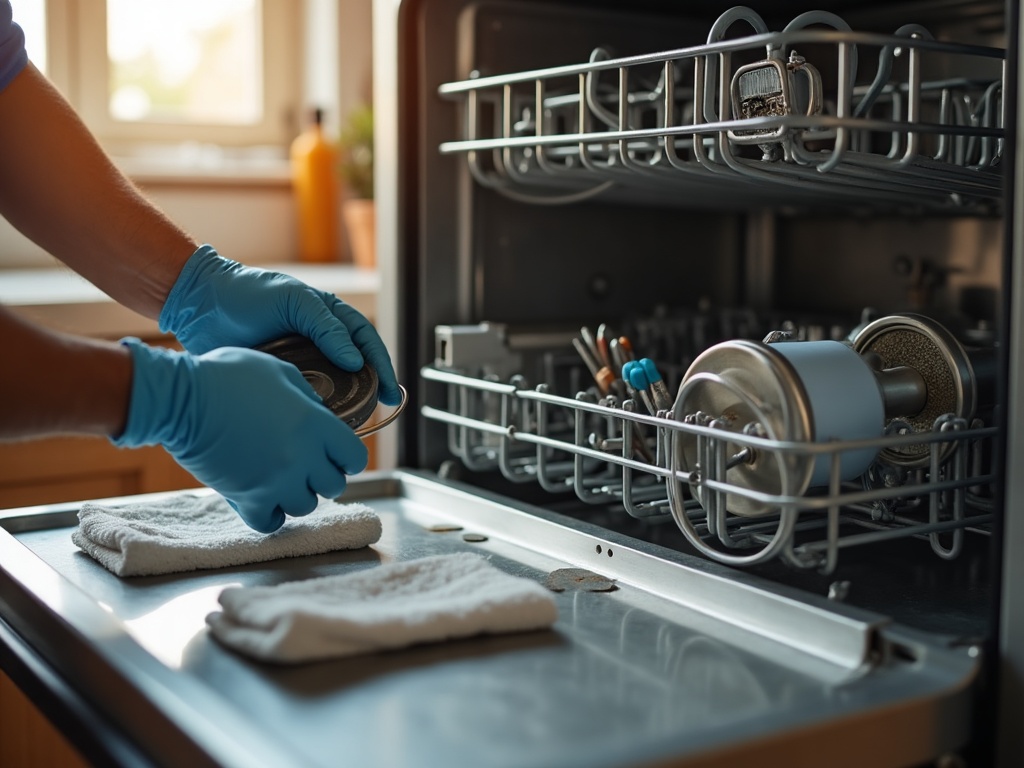
I’ve diagnosed this exact issue hundreds of times across Phoenix, Chandler, Gilbert, and North Scottsdale. It almost always comes down to one of these culprits:
- Failed heating element — This is the most common one. The heating element sits at the bottom of the tub and is responsible for both heating water during the wash and drying dishes afterward. When it burns out, you get neither.
- Faulty thermostat or thermistor — These sensors tell the dishwasher when the water has reached the right temp. If they’re reading wrong, the machine thinks it’s done heating when it hasn’t even started.
- Defective control board — Less common, but a failing control board can interrupt the heating cycle mid-wash without throwing an error code.
- Low incoming water temperature — If your home’s hot water heater is set below 120°F, or the dishwasher is far from the water heater, cold water may be entering the machine before the line flushes warm. Run your kitchen faucet hot for 30 seconds before starting a cycle — if that fixes it, your plumbing is the issue, not the appliance.
- Broken door latch or wash cycle interruption — A door that isn’t fully sealed can bleed heat and drop the internal temperature faster than the element can compensate.
Asko Dishwasher Repair: A Brand Worth Mentioning
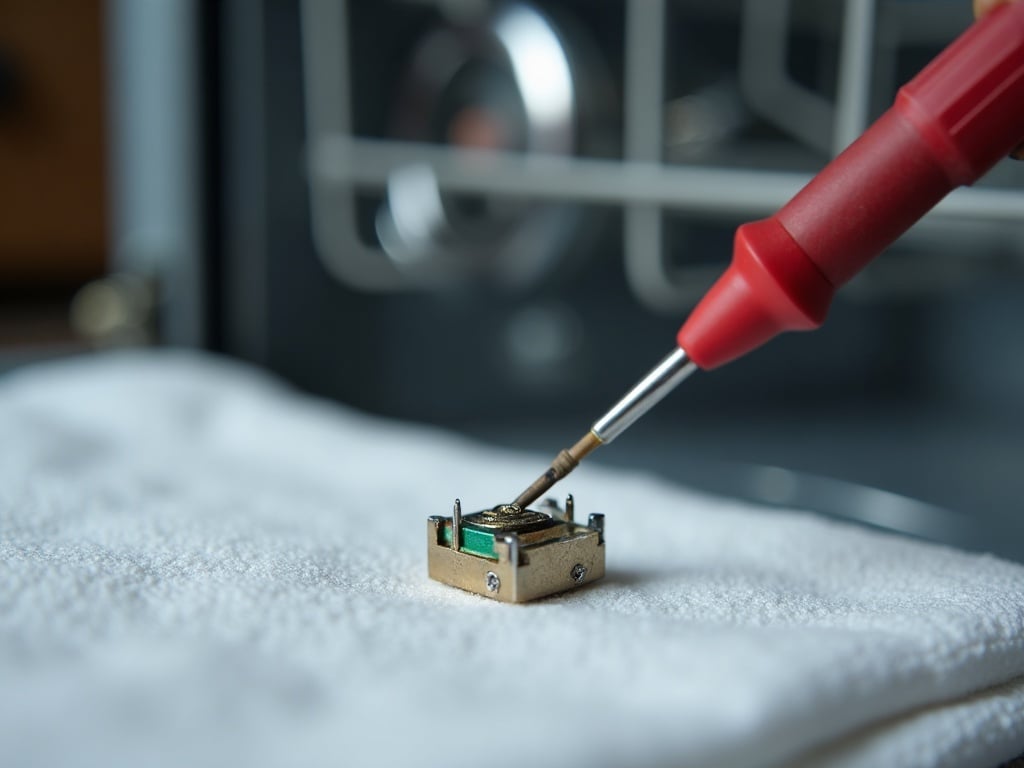
We see a lot of high-end Asko dishwashers in the Paradise Valley and North Scottsdale homes we service. Asko units are genuinely excellent machines — built to last, energy efficient, and they do heat water well when everything is working. But Asko dishwasher repair requires familiarity with their proprietary thermistor placement and control board logic. A technician who mostly sees entry-level units can easily misdiagnose an Asko heating issue. We know these machines, and we carry parts for them.
Heating Element Repair vs. Replacement — Here’s the Honest Math
One question I get constantly from homeowners in Chandler and Gilbert is: “Is it worth repairing, or should I just buy a new one?” Here’s a straightforward comparison that applies to most mid-range and premium dishwashers:
| Issue | Typical Repair Cost | New Dishwasher Cost | Worth Repairing? |
|---|---|---|---|
| Heating element replacement | $150–$280 | $600–$2,000+ | Almost always yes |
| Thermostat / thermistor | $100–$200 | $600–$2,000+ | Yes |
| Control board | $200–$400 | $600–$2,000+ | Yes, if unit is under 10 yrs |
| Multiple failures combined | $400–$600+ | $600–$2,000+ | Depends — call us first |
The honest answer is that a single-component dishwasher heating element repair almost always pencils out in your favor — especially if your machine is a quality brand like Asko, Bosch, or Miele. We’ll never push you toward a new unit if a $200 fix solves the problem. That’s just not how we operate.
If your dishwasher is also dealing with drain issues or odor problems alongside heating failures, check out our post on why your dishwasher smells like a wet dog and how to fix it for good — sometimes these problems share a root cause.
What You Can Check Before Calling (And What You Shouldn’t Touch)
- Check your water heater setting. It should be set to at least 120°F. The U.S. Department of Energy recommends 120°F as a baseline — any lower and appliances struggle. See the DOE’s water heater guidance here.
- Run the hot water at your kitchen sink first. Let it run until it’s genuinely hot before starting a cycle. If this improves results, your plumbing line is bleeding cold water into the machine.
- Check your cycle selection. Economy or quick-wash cycles intentionally use lower temperatures. Always run a normal or heavy cycle for full loads.
- Do not attempt to replace the heating element yourself unless you’re comfortable working with 120V appliances and have the correct part. A wrong part or improper installation can damage the control board or create a shock hazard.
For anything beyond the basics — and certainly for any dishwasher repair in Phoenix involving electrical components — call a qualified technician. This is one of those repairs where doing it wrong costs more than doing it right the first time.
Same-Day Dishwasher Repair in Phoenix and Across Maricopa County
We serve homeowners throughout Phoenix, Scottsdale, Paradise Valley, Chandler, Gilbert, and North Scottsdale — and we know how disruptive a broken dishwasher is, especially right before you’re hosting guests or juggling a full week of family meals. Our technicians show up the same day, diagnose the actual problem, and give you a straight answer on cost before touching anything. No runaround, no upsell pressure. If it needs a part we don’t have on the truck, we’ll tell you exactly when we can get it.
We also handle washing machine repair across Phoenix and AZ — so if your laundry situation is also giving you grief, we can often handle both on the same visit. And if something else in the kitchen is acting up, we do stove and oven repair too.
Bottom line: a dishwasher not sanitizing correctly isn’t something to sit on. The longer a heating element runs partially failed, the more strain it puts on surrounding components. Call TOTO Appliance Repair at (480) 630-8686 and we’ll get someone out to you today.