
You open the dishwasher after a full cycle and there it is — an inch of grimy water sitting at the bottom, going nowhere. I’m David, and I’ve seen this exact situation hundreds of times across Phoenix, AZ and the surrounding valley. dishwasher standing water after cycle isn’t just annoying — it’s a signal your machine is telling you something specific. The good news: most of the time, it’s fixable same day. Let me walk you through what’s actually going on.
Why Water Is Pooling at the Bottom of Your Dishwasher
Dishwasher water pooling at the bottom almost always traces back to one of a handful of causes. Here’s what I check first, in order of how often I actually see them:
- Clogged filter or drain basket: This is the most common culprit, full stop. Food debris, grease, and hard-water deposits — and Phoenix water is notoriously hard — build up fast. The filter sits at the floor of the tub; if it’s blocked, water can’t exit.
- Blocked or kinked drain hose: The hose that carries water out to your sink drain or garbage disposal can kink behind the cabinet or get clogged with debris over time. A kinked hose is a complete stop sign for drainage.
- Garbage disposal knock-out plug: If you recently had a new disposal installed, there’s a plastic plug inside the dishwasher inlet that has to be removed. I can’t count how many service calls I’ve made to homes near Arcadia and Biltmore where a plumber forgot this step.
- Failed drain pump: The drain pump is the mechanical heart of your dishwasher’s drainage system. When it burns out or seizes — which happens — water simply has nowhere to go. Dishwasher drain pump repair is one of the more common jobs we do.
- Faulty check valve: This one-way valve prevents drained water from flowing back into the tub. If it fails, you’ll see standing water even though the pump ran fine.
- Control board issue: Occasionally the board isn’t sending the drain signal at the right time. If you’ve ruled everything else out, it’s worth reading our post on whether a dishwasher control board can be repaired or always needs replacing before assuming the worst.
What You Can Try Before Calling Us
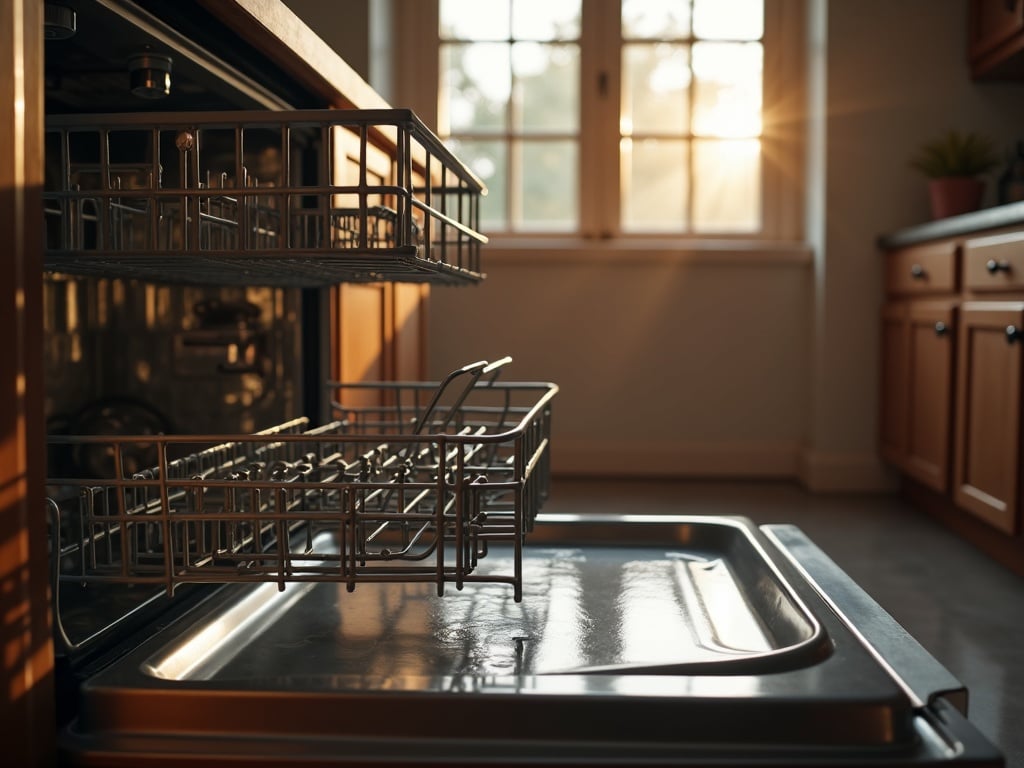
I’ll always tell you what you can check yourself first — I’m not here to charge you for something you can fix in ten minutes. Try these steps in order:
- Clean the filter. Pull it out (twist counterclockwise on most brands), rinse it under hot water with a soft brush, and reinstall. Run a short cycle and see if it drains.
- Check the drain hose. Pull the dishwasher out slightly and look for kinks behind the unit. The hose should form a high loop or connect to an air gap to prevent backflow — a missing high loop is surprisingly common in Phoenix, AZ homes.
- Check the garbage disposal connection. If drainage suddenly got worse after a disposal change, that knock-out plug is suspect. Remove it and try again.
- Run your garbage disposal. A clogged disposal backs up into the dishwasher drain line. Run it for 30 seconds, then start a rinse cycle on the dishwasher.
If the water is still sitting there after you’ve cleaned the filter and checked the hose — stop running cycles. You’re just making the motor work harder against a blockage it can’t clear, and that’s how a $150 repair becomes a $400 one.
— David, TOTO Appliance Repair
When It’s Time to Call a Professional
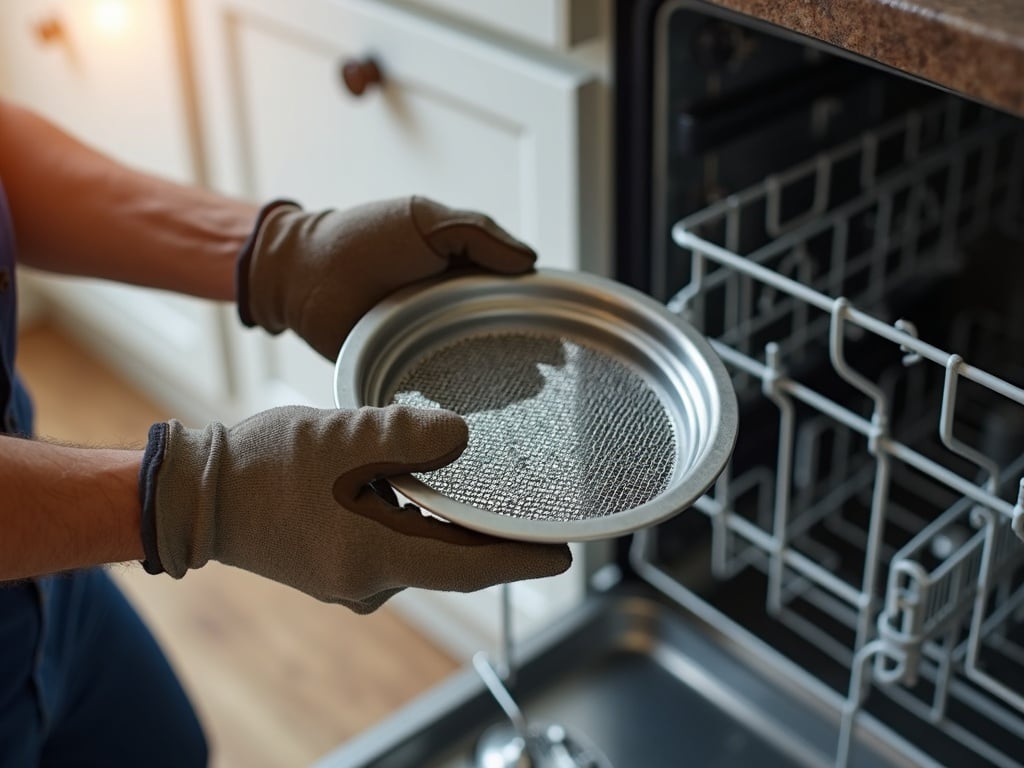
If the DIY steps above don’t clear it, the problem is mechanical — and that means hands inside the machine. Dishwasher drain pump repair in particular requires pulling the unit, accessing the pump assembly, and testing with a multimeter. It’s not a weekend project for most homeowners, and a misdiagnosis wastes time and parts. Standing water left sitting also breeds odors fast; if you’ve noticed a smell alongside the drainage issue, take a look at our guide on why your dishwasher smells and how to fix it — those two problems often go hand in hand.
We serve Phoenix, AZ and run calls throughout Maricopa County — Phoenix, Scottsdale, Paradise Valley, Chandler, Gilbert, and North Scottsdale. Same-day dishwasher repair is available most days; we carry common pump and valve parts on the truck so we’re not making two trips.
Repair vs. Replace — A Straight Answer
I know you’ve probably wondered whether it’s even worth repairing. Here’s a quick, honest breakdown:
| Problem | Typical Repair Cost | Worth Fixing? |
|---|---|---|
| Clogged filter / hose | $75–$120 (labor) | Almost always yes |
| Drain pump replacement | $150–$250 | Yes, if unit is under 8 yrs |
| Check valve replacement | $100–$175 | Yes |
| Control board failure | $200–$350 | Depends on unit age/brand |
Compare those numbers to $900–$1,800 for a new mid-range dishwasher, and repair wins most of the time — especially on quality machines. If you’re dealing with dirty dishes on top of drainage problems, that’s often a water temperature issue working alongside the drain problem; our article on dishwasher water not getting hot enough explains how those two issues intersect.
According to the U.S. Department of Energy, a well-maintained dishwasher uses significantly less water than hand-washing — so keeping yours running properly is genuinely worth the investment, both financially and environmentally.
Don’t sit on this one. Water sitting in the tub damages the door gasket, encourages mold, and puts unnecessary strain on the motor every time you run a cycle. Call TOTO Appliance Repair at (480) 630-8686 and we’ll get someone out to you today.